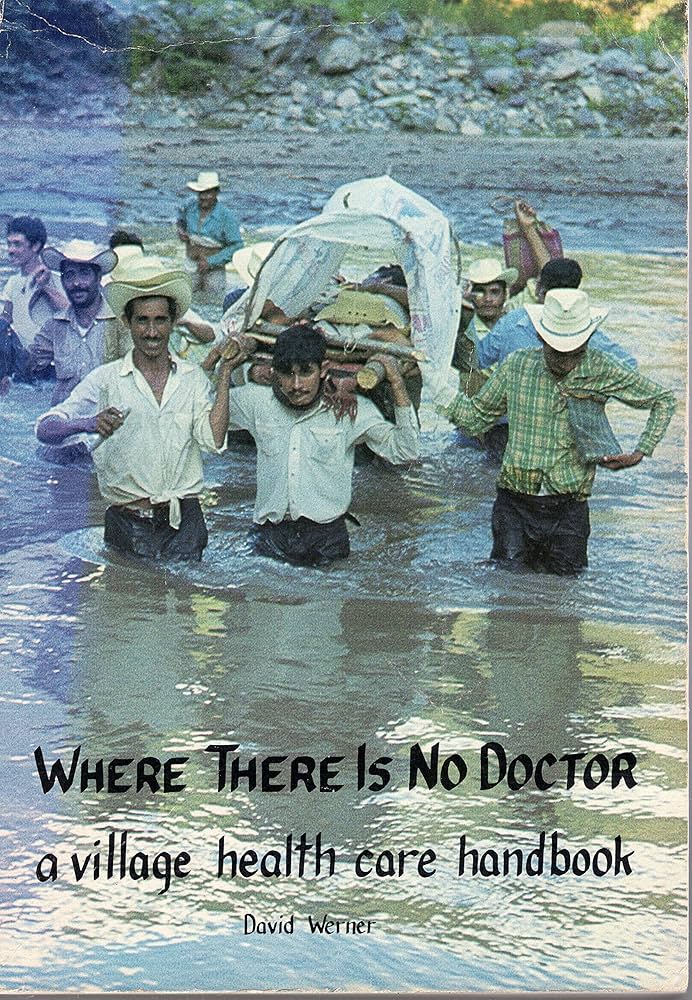
Where There Is No Doctor: A Village Health Care Handbook is one of the most widely used community health manuals ever written. Designed for situations where professional medical care is unavailable, this book provides clear, practical guidance for diagnosing, treating, and preventing common illnesses using limited resources.
Originally written to support rural communities, humanitarian workers, and underserved regions, the handbook has since become a foundational reference for anyone facing delayed or inaccessible medical care. Today, it remains a trusted resource for first aid, basic medicine, and public health education in austere environments.
Purpose and Practical Focus
This handbook exists for one reason: to help people care for themselves and others when doctors, hospitals, and advanced equipment are not available. Rather than relying on complex medical language, the book uses plain explanations, illustrations, and step-by-step guidance that non-professionals can understand and apply.
Because many medical emergencies occur far from immediate help, the book emphasizes early recognition of symptoms, appropriate home treatment, and clear guidance on when a condition becomes dangerous. As a result, readers gain both practical skills and confidence in medical decision-making.
What the Book Covers
Where There Is No Doctor addresses a wide range of health concerns relevant to everyday life and emergency situations, including:
First aid for injuries, wounds, burns, and infections
Diagnosis and treatment of common illnesses
Maternal and child health care
Nutrition, sanitation, and disease prevention
Use of essential medicines and antibiotics
Managing medical emergencies when evacuation is delayed
Community health education and preventive care
The book integrates treatment with prevention, recognizing that clean water, hygiene, nutrition, and early intervention often save more lives than emergency care alone.
Why This Handbook Remains Relevant
Although medical technology has advanced, many people around the world still face limited access to healthcare. In addition, disasters, remote travel, and infrastructure failures can quickly place anyone in a situation where professional medical help is unavailable.
For this reason, Where There Is No Doctor continues to serve as a critical reference for community health workers, aid organizations, off-grid households, and preparedness-minded individuals. Its focus on principles rather than technology ensures long-term relevance across regions and generations.
Who This Book Is For
This medical handbook is especially useful for:
First aid and emergency preparedness
Rural and remote communities
Disaster response and humanitarian work
Off-grid and self-sufficient living
Travelers and workers in remote environments
Anyone seeking a reliable medical reference without reliance on modern infrastructure
Where There Is No Doctor: A Village Health Care Handbook is not a replacement for professional medical care. Instead, it is a practical, life-saving guide for situations where that care does not exist. Clear, realistic, and grounded in real-world use, it remains one of the most important health manuals ever written for first aid, community medicine, and emergency preparedness.