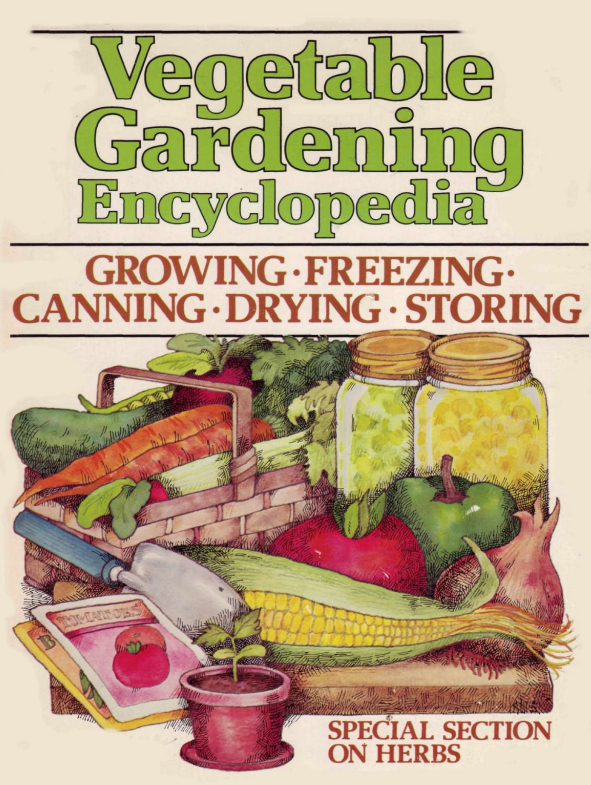
Vegetable Gardening Encyclopedia: Growing, Freezing, Canning, Drying, and Storing – with a Special Section on Herbs serves as a comprehensive reference for anyone who wants to grow food and preserve harvests for year-round use. On this page, Ardbark outlines the book’s contents, explains its practical gardening methods, and summarizes its food-storage techniques. In addition, the page provides guidance on accessing the resource for educational use.
Rather than promoting unrealistic self-sufficiency claims, this encyclopedia focuses on practical, small-scale food production. As a result, it suits real households, limited garden space, and everyday conditions. Moreover, the guidance applies equally well to back gardens, allotments, raised beds, and container growing.
What the Vegetable Gardening Encyclopedia Covers
Growing Vegetables in Real-World Conditions
First and foremost, the book explains how to grow vegetables successfully in ordinary settings. For example, it covers:
Planning and planting gardens in small or irregular spaces
Improving soil through composting and organic matter
Managing pests and diseases using non-chemical methods
Timing plantings across the growing season
Using crop rotation to maintain soil health
Growing vegetables in containers and raised beds
Together, these sections help gardeners avoid common mistakes while improving yields naturally.
Herbs for Food, Health, and Storage
In addition to vegetables, the encyclopedia devotes an entire section to herbs. Specifically, it explains how to:
Grow common culinary and household herbs
Harvest herbs at the correct time
Dry and store herbs effectively for later use
Because herbs require little space, they offer a high return for home growers. Therefore, the book treats them as essential crops rather than afterthoughts.
Food Preservation and Storage
Equally important, the encyclopedia provides detailed instruction on preserving surplus produce. As a result, gardeners can extend the value of a good harvest well beyond the growing season. The book explains how to:
Can and bottle vegetables safely
Freeze produce while retaining nutrition
Dry and dehydrate vegetables and herbs
Store crops using cool storage and root-cellar techniques
Reduce waste during peak harvest periods
Consequently, readers learn how to turn short-term abundance into long-term food security.
Building Long-Term Food Resilience
Instead of promising total independence, the book promotes a realistic approach. For instance, it shows how to:
Supplement stored foods with fresh produce
Take advantage of productive seasons when conditions allow
Build a homegrown pantry gradually
Reduce reliance on supply chains without extreme measures
Ultimately, this approach prioritizes resilience through knowledge rather than unrealistic expectations.
Why This Gardening Reference Is Valuable
This encyclopedia functions as a practical manual, not a hobbyist overview. Therefore, it appeals to readers who want usable skills rather than theory. Moreover, it helps households:
Grow food successfully in limited space
Preserve surplus produce instead of wasting it
Improve diet quality and variety
Increase resilience through everyday skills rather than equipment
As a result, the book remains relevant for gardeners, homesteaders, and anyone interested in sustainable living.
Who This Book Is For
This reference suits:
Beginners who want clear, step-by-step gardening guidance
Home gardeners who want to preserve excess produce
Preppers and homesteaders who focus on skills over gear
Anyone interested in growing vegetables, herbs, and storing food for later use
Because the material scales from small gardens to larger plots, it remains useful at many experience levels.
Accessing the Vegetable Gardening Encyclopedia
This page summarizes and documents the contents of the Vegetable Gardening Encyclopedia and its approach to growing and preserving food. Where appropriate, Ardbark supports access to historical and instructional gardening resources for educational purposes and self-reliant living.