The Foxfire Book, Volume 2: Traditional Knowledge, Community, and Plain Living
Appalachian Skills, Shared Labor, and Cultural Memory
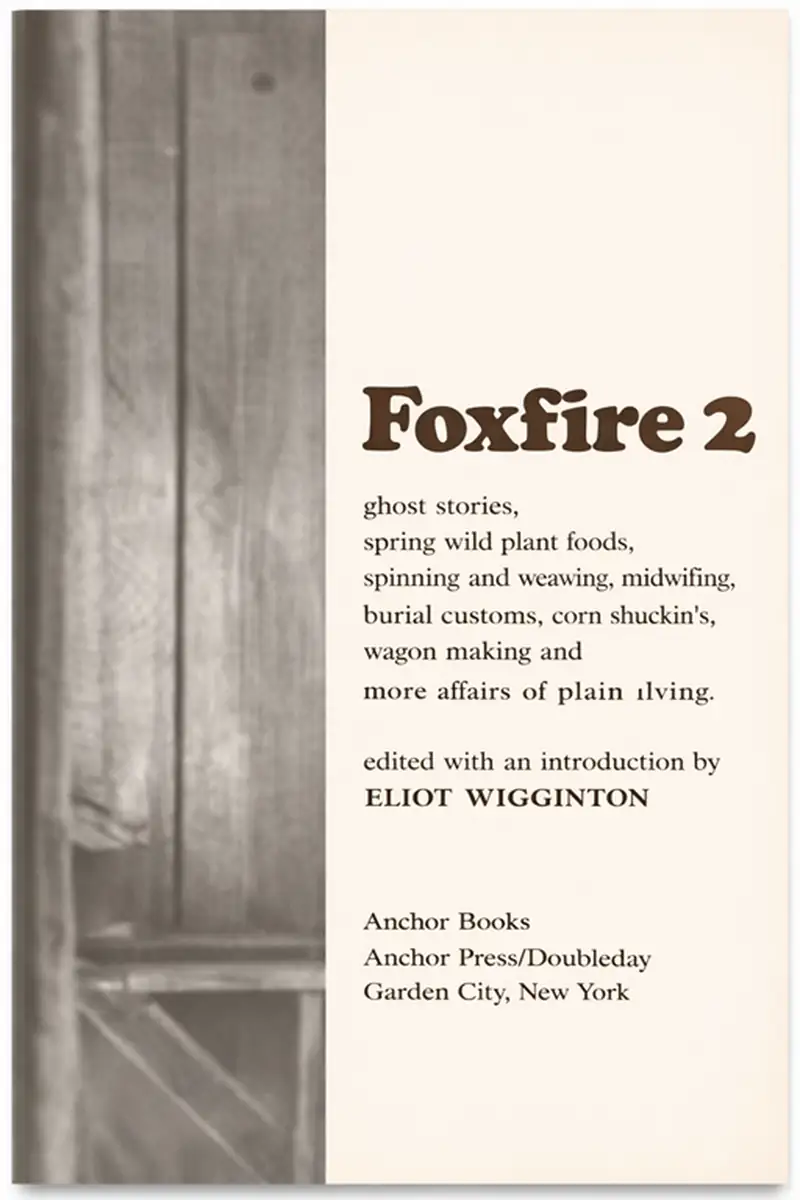
The Foxfire Book, Volume 2 continues the Foxfire Project’s documentation of Appalachian life by moving beyond individual survival skills and into the deeper systems that sustained rural communities. Compiled through firsthand interviews and edited by Eliot Wigginton, this volume preserves how people worked together, learned from one another, and passed down practical knowledge across generations.
Rather than presenting information as formal instruction, Foxfire Volume 2 records how life actually functioned in self-reliant communities. Skills, beliefs, labor, and education appear as interconnected parts of everyday living rather than isolated topics.
As a result, the book serves both as a practical reference and a cultural record of plain living rooted in cooperation.
How Volume 2 Expands the Foxfire Series
While Volume 1 introduced foundational homesteading and survival practices, Volume 2 broadens the focus. The emphasis shifts toward community knowledge, shared labor, and the social structures that made long-term self-sufficiency possible.
In these communities:
Skills were learned through observation and participation
Knowledge was shared, not owned
Work and education happened simultaneously
This perspective makes the volume especially relevant to readers exploring self-sufficiency as a lifestyle rather than an individual project.
A System of Living, Not Isolated Skills
A defining feature of Foxfire Volume 2 is its focus on complete systems. Food production, clothing, transportation, health, and social customs all worked together to support daily life.
The book illustrates how:
Labor reinforced community bonds
Skills developed through responsibility
Knowledge accumulated over decades, not weeks
This approach contrasts sharply with modern instructional guides, which often separate skills into standalone lessons.
Readers interested in homesteading or rural living will recognize how these systems remain relevant today.
Topics and Practices Documented in Volume 2
The Foxfire Book, Volume 2 documents a wide range of traditional Appalachian practices, presented through interviews, stories, and lived experience.
Wild Foods and Seasonal Foraging
Spring wild plant foods
Seasonal harvesting traditions
Local plant knowledge
These sections strongly align with modern interest in foraging and seasonal living.
Crafts and Material Production
Spinning and weaving textiles
Tool building and woodcraft
Wagon making and repair
These practices reflect a culture where household items were produced, repaired, and reused rather than replaced.
Community Labor and Cooperation
Corn shuckings and log rollings
Shared work tied to seasonal needs
Mutual aid between families
This material highlights how cooperation reduced individual labor while strengthening resilience.
Health, Healing, and Life Events
Midwifery and community healthcare
Burial customs and end-of-life traditions
Practical responses to illness and injury
These sections show how health care functioned before centralized medical systems.
Belief, Storytelling, and Oral History
Ghost stories and folk beliefs
Oral traditions passed between generations
Cultural values embedded in storytelling
Together, these narratives preserve both practical knowledge and worldview.
Learning Outside Formal Education
Another core theme of Foxfire Volume 2 is learning by doing. The Foxfire Project itself was built around students working directly with elders, documenting knowledge while participating in real tasks.
As a result, the book reflects an educational philosophy centered on:
Experience over abstraction
Responsibility over memorization
Respect for practical knowledge
This makes the volume especially relevant for readers interested in alternative education, skills-based learning, and community-centered teaching models.
Community-Based Resilience
Modern preparedness often emphasizes individual readiness. Foxfire Book, Volume 2 presents a broader model—one where resilience was built collectively.
In these communities:
Work was shared
Knowledge was openly passed down
Survival depended on cooperation
The practices documented require few modern tools and rely primarily on:
Local materials
Observation and repetition
Accumulated experience
Because of this, the book remains useful for:
Homesteaders
Off-grid households
Preparedness planning
Cultural preservation efforts
Readers exploring preparedness from a long-term perspective will find this volume especially valuable.
Who Will Benefit Most From Volume 2
The Foxfire Book, Volume 2 is ideal for readers who value depth, context, and systems thinking. It is particularly useful for:
Homesteaders and off-grid households
Survival and preparedness researchers
Traditional skills and craft preservation
Educators and alternative learning advocates
Cultural historians and researchers
Anyone building a long-term self-reliance library
Because it documents how skills functioned within daily life, the book rewards careful reading and long-term reference rather than quick consultation.
Free PDF Access on Ardbark
Ardbark makes The Foxfire Book, Volume 2 available as a free PDF to preserve traditional knowledge, rural skills, and community-based practices. Providing digital access helps prevent the loss of practical experience that once sustained entire regions.
Readers exploring related topics such as traditional skills or community self-reliance will find strong overlap with this volume.
Final Perspective
The Foxfire Book, Volume 2 is not a modern survival checklist or step-by-step guide. It is a record of how people lived when cooperation, shared labor, and practical knowledge were essential to everyday life.
For readers seeking enduring skills, cultural context, and a deeper understanding of self-sufficient living, this volume remains one of the most important entries in the Foxfire series.