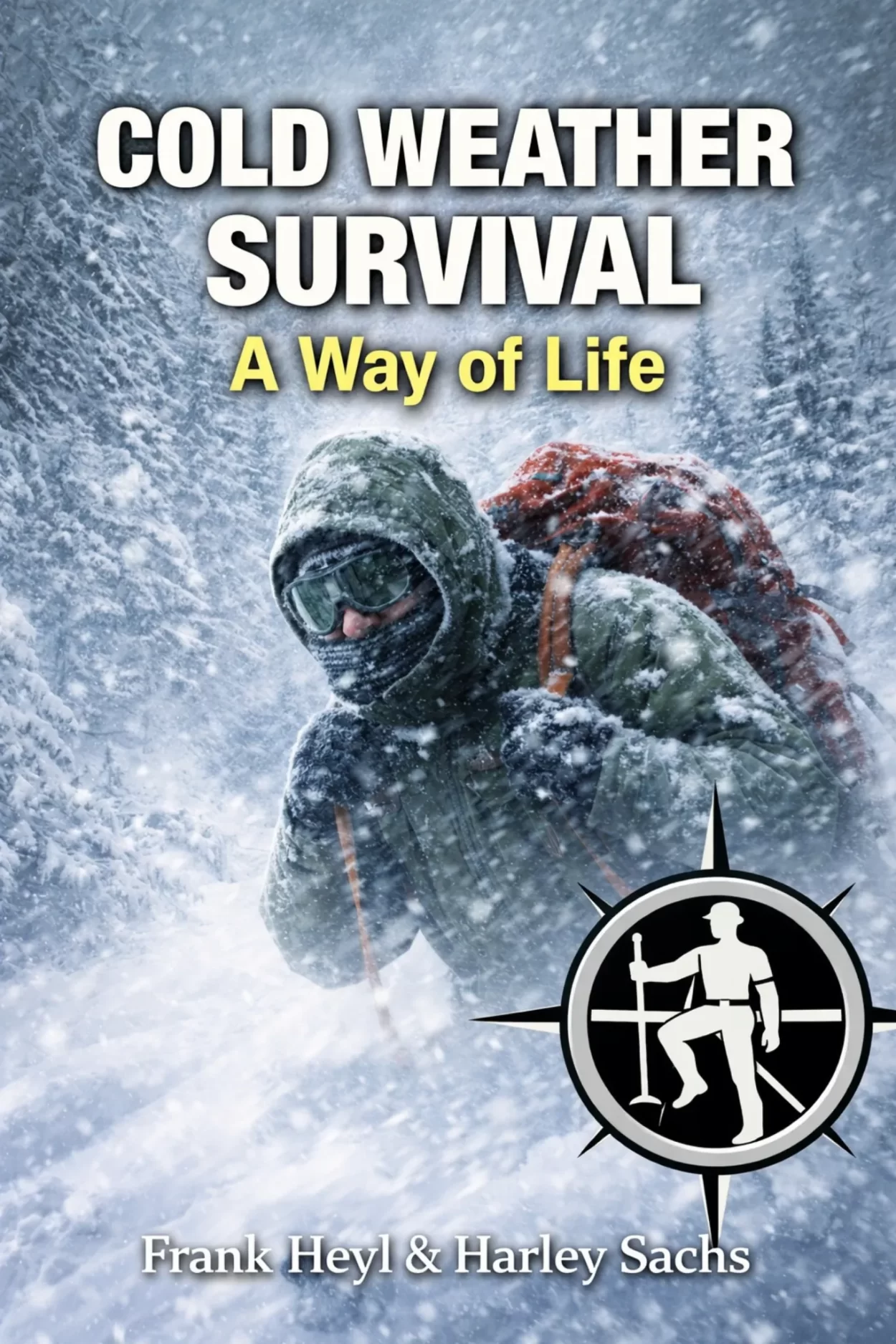
Cold Weather Survival: A Way of Life
A professional field manual for surviving extreme cold environments
Cold weather survival is not about comfort. Instead, it focuses on staying alive when freezing temperatures, wind, and exposure threaten human life. Cold Weather Survival: A Way of Life delivers direct, experience-based instruction for operating safely in severe winter conditions.
Written by Frank Heyl and Harley Sachs and published in 2005, this manual draws from wilderness medicine, search-and-rescue experience, and cold-climate training methods. Rather than offering recreational advice, it concentrates on real emergencies where mistakes quickly become fatal.
Ardbark preserves this manual as part of its educational reference archive to ensure critical cold-weather survival knowledge remains accessible for learning and preparedness.
Why Cold Weather Survival Knowledge Matters
Cold exposure ranks among the fastest and most lethal outdoor threats. In winter environments, hypothermia, frostbite, dehydration, exhaustion, and wind exposure can overwhelm even experienced outdoorsmen within hours.
Because freezing conditions drain energy and judgment rapidly, survival depends on early decisions rather than last-minute actions. This manual therefore emphasizes decision-based survival skills, including:
Preventing heat loss before it becomes critical
Conserving energy and movement
Building and retaining body heat
Maintaining hydration in freezing conditions
Increasing visibility and rescue probability
Unlike many modern survival books that focus heavily on gear, this guide prioritizes methods that work with minimal equipment.
Survival Treated as a System of Priorities
Rather than presenting isolated techniques, Cold Weather Survival: A Way of Life treats winter survival as a structured system. Each section reinforces the same priorities so readers can make consistent decisions under stress.
Throughout the manual, readers learn how small errors compound quickly in cold environments. As a result, the guidance stresses prevention, planning, and restraint over aggressive self-rescue attempts.
What the Manual Covers
1. What to Do When Lost in Cold Conditions
One of the most important winter survival skills is knowing when not to move. This section explains:
How panic destroys survival odds
When attempting to walk out becomes deadly
How to remain visible for rescuers
How to preserve shelter and warmth
Many winter fatalities occur because individuals attempt self-rescue under impossible conditions. This manual addresses those risks directly.
2. Winter Survival Kits and Cold-Weather Systems
Instead of listing commercial gear, the book teaches layered survival systems that adapt to different situations, including:
Pocket survival kits
Daypack survival kits
Vehicle survival kits
Cold-climate first aid priorities
Because the focus remains on function rather than brand-specific equipment, readers can adapt these systems to nearly any environment.
3. Fire Building in Snow and Freezing Conditions
Fire becomes life in cold environments. Consequently, this section delivers step-by-step instruction on:
Building fires on snow or frozen ground
Selecting tinder in wet and icy conditions
Ignition strategies during freezing weather
Constructing snow platforms for fire stability
Using smoke for emergency signaling
This section stands out as one of the most practical cold-weather fire-building guides in survival literature.
4. Hydration and Food Management in Winter Survival
Many people misunderstand hydration in freezing environments. This manual explains:
Why dehydration accelerates hypothermia
Why eating snow is dangerous
How to melt snow safely for drinking water
How to locate emergency water sources
Because water management errors kill quickly in winter, this guidance plays a critical role in survival planning.
5. Emergency Snow Shelter Construction
The manual provides clear, illustrated instruction for building emergency shelters such as:
Quinzee shelters
Snow caves
Snow-block shelters
Wind-break shelters
These structures prioritize heat retention, wind protection, and energy conservation rather than comfort or recreation.
Who This Manual Is Most Useful For
This field manual serves readers who operate, travel, or live in cold climates. It is especially relevant for:
Cold-climate residents
Outdoor travelers and backcountry users
Hunters and winter hikers
Snowmobilers and off-road travelers
Rural drivers and bush pilots
Emergency responders and preparedness planners
Anyone who faces winter conditions regularly will benefit from the principles taught in this guide.
Why the Guidance Still Holds Up
Many modern survival resources assume fast rescue, advanced gear, or stable infrastructure. By contrast, this manual assumes none of those advantages. Instead, it prepares readers for isolation, limited resources, and prolonged exposure.
Because it teaches how to think under cold-stress conditions, the guidance remains relevant across regions, decades, and changing technology.
Access Through the Ardbark Reference Archive
Ardbark includes Cold Weather Survival: A Way of Life in its educational archive of professional survival manuals and reference material. Preserving works like this supports preparedness, training, and long-term resilience.
Readers researching winter survival techniques or cold-climate emergency planning will find this manual especially informative.
A Field Manual for When Conditions Turn Deadly
Cold Weather Survival: A Way of Life delivers disciplined, experience-based instruction shaped by real outcomes. It avoids theory and speculation. Instead, it teaches readers how to plan, prioritize, and act when freezing environments leave little room for error.
For those serious about preparedness and cold-weather resilience, this manual remains a vital reference.