
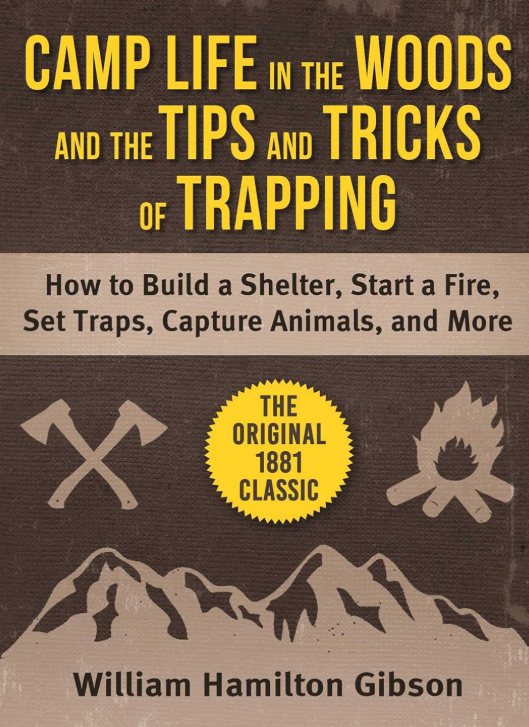
Camp Life in the Woods and the Tricks of Trapping and Trap Making
Imagine stepping into the deep woods with nothing but an axe, a pack, and the knowledge passed down by trappers who lived by their wits. That’s the spirit behind Camp Life in the Woods and the Tricks of Trapping and Trap Making—a guide that blends old-world know-how with lessons that still matter today.
Why This Classic Still Matters
First published in the 19th century, this book wasn’t written by academics in a library. It came straight from the hands of outdoorsmen who actually built bark shanties, cooked over open fires, and relied on traps to put food on the table.
While modern survivalists have gear and gadgets, the principles here are timeless:
Shelter is the first line of defense.
Food and fire keep your body going.
Skill and patience keep you alive when supplies run out.
This isn’t just history — it’s a survival playbook that still works when you’re off-grid or in a true emergency.
Building Shelter: Bark, Logs, and Ingenuity
One of the best parts of this book is how clearly it shows different types of woodland shelters. We’re not talking about luxury cabins — these are quick, practical homes you can throw together in a day if you know what you’re doing.
Bark Shanty: Peel bark from trees and lean it against a framework for quick waterproofing.
Log Hut: More permanent, with stacked logs and a chimney opening for smoke.
Woodland Beds: Layered spruce or pine boughs that keep you off cold, damp ground.
If you’ve ever tried sleeping straight on the forest floor, you’ll appreciate why these old-timers were so inventive.
Food and Cooking in the Wild
Preppers today love freeze-dried meals, but the trappers lived on what they could carry or catch. The book covers:
Simple ways to cook over a campfire.
Tricks for keeping food dry and safe from animals.
The kinds of meals that fuel you for long days outdoors.
It’s not gourmet — but in the woods, practical calories matter more than flavor.
The Art of Trapping
This is where the guide really shines. It doesn’t just list traps — it explains the thinking behind them. The author knew every animal had habits, and each trap was designed to take advantage of them.
Steel Trap Use: How to place them so an animal never suspects.
Homemade Traps: Deadfalls, snares, and pit traps built with only what you can find.
Bait Recipes: Clever combinations that appeal to fur-bearing animals.
Even if you never set a trap, the detail here gives you a window into how much observation and patience real survival demanded.
Lessons for Modern Preppers
Why read a book written more than a hundred years ago? Because survival principles don’t change. Shelter, fire, water, and food are as essential now as they were then.
For today’s prepper, this book is more than a curiosity — it’s a reminder of self-reliance. You won’t find talk of solar panels or bug-out vehicles here. Instead, you’ll learn skills that work when there’s nothing between you and the wilderness.
Related Survival Resources
If you enjoyed this book, you’ll also like:
- Ultimate Guide to Wilderness Living
- Fallout Shelter Construction Guide
- Top Prepping and Survival Books Free PDF
These resources expand your survival knowledge while boosting your preparedness for any scenario.