
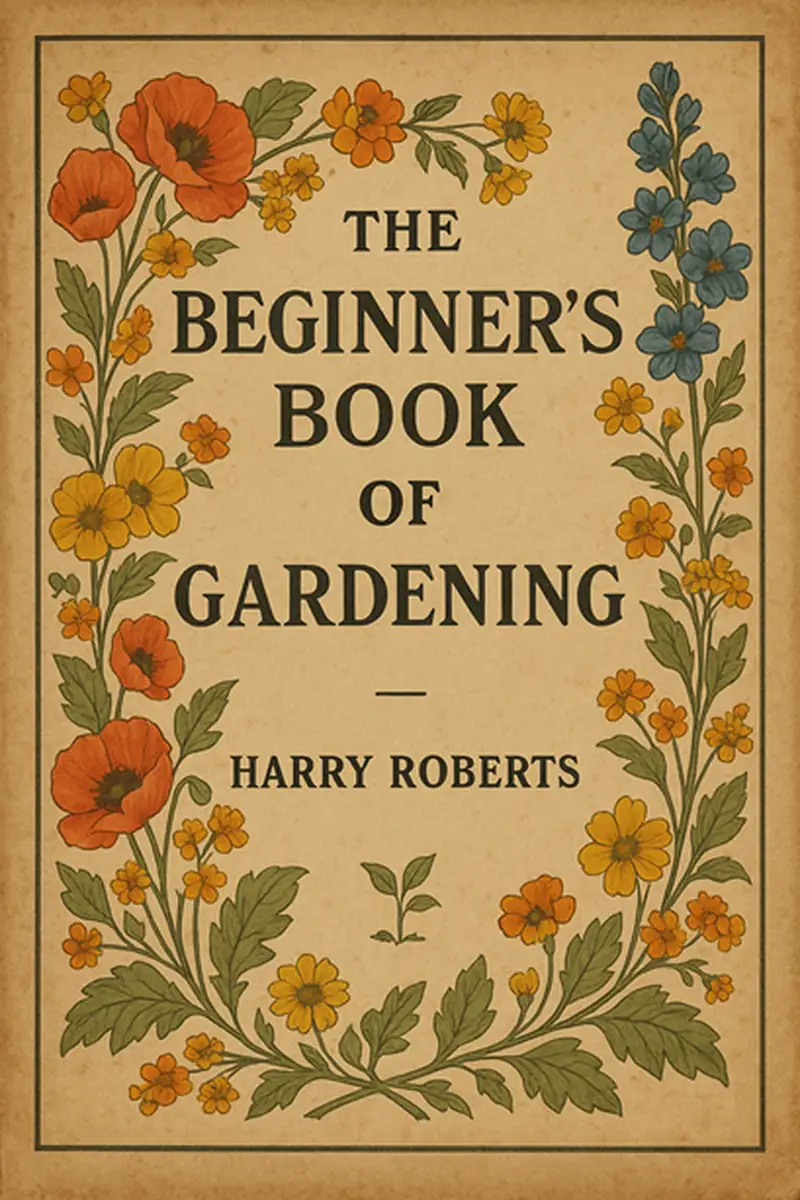
The Beginner’s Book of Gardening
A classic introduction to practical, natural gardening
The Beginner’s Book of Gardening by Harry Roberts offers a clear and approachable introduction to home gardening rooted in observation, patience, and natural methods. First published in 1911, this guide remains one of the most accessible gardening manuals ever written for beginners.
Rather than overwhelming new gardeners with complex systems, Roberts explains gardening in simple, practical terms. His focus on soil health, plant selection, and seasonal planning makes this book especially useful for readers starting their first garden today.
Ardbark preserves this public-domain work as part of its educational reference archive to ensure foundational gardening knowledge remains accessible for learning and self-reliant living.
A Gardening Guide Written for Beginners
Harry Roberts wrote this book specifically for people who wanted to garden but did not know where to begin. As a result, the guidance assumes no prior experience and builds skills step by step.
Unlike many modern gardening books, this manual does not rely on chemical treatments, specialized equipment, or expensive products. Instead, it emphasizes understanding plants, working with the soil, and observing natural growth cycles.
Because of this approach, the book remains easy to follow even for readers gardening in small spaces, backyards, or nontraditional settings.
What the Book Teaches
The guide introduces core gardening skills using straightforward explanations and practical examples. Readers learn how to:
Prepare and enrich garden soil using compost and organic matter
Select vegetables, herbs, and flowers suited to local conditions
Start a home garden with limited space or resources
Manage common pests using natural, low-impact methods
Plan seasonal gardens for steady growth and harvest
Each topic builds on the previous one, which helps beginners develop confidence without feeling overwhelmed.
Gardening Rooted in Natural Principles
Rather than treating gardening as a technical process, Roberts presents it as a relationship between soil, plants, and careful attention. His methods prioritize:
Healthy soil as the foundation of successful gardening
Observation over intervention
Prevention instead of corrective treatment
Because of this philosophy, the book aligns closely with modern organic gardening, regenerative practices, and sustainable food production.
Why the Book Still Matters Today
Interest in home gardening continues to grow as people seek food security, sustainability, and personal well-being. Despite being written more than a century ago, Roberts’ advice remains relevant because it focuses on fundamentals rather than trends.
Modern readers often find that his guidance feels surprisingly current. The emphasis on composting, soil structure, seasonal timing, and plant care fits naturally with today’s interest in organic and low-impact gardening.
Who This Book Is Best Suited For
This manual is especially useful for:
First-time gardeners
Home gardeners learning basic techniques
Small-space and backyard growers
Homesteaders and self-sufficient households
Readers interested in traditional gardening knowledge
Because the book focuses on principles instead of products, its lessons apply across climates, regions, and generations.
Access Through the Ardbark Reference Archive
Ardbark includes The Beginner’s Book of Gardening in its educational archive of public-domain manuals and reference material. Preserving works like this supports practical learning and ensures foundational skills remain available to future generations.
Readers researching introductory gardening techniques or historical approaches to home food production will find this book especially informative.
A Timeless Introduction to Growing Your Own Food
The Beginner’s Book of Gardening demonstrates that successful gardening does not require expensive tools or complicated systems. By focusing on soil, plants, and careful observation, it provides a solid foundation for anyone ready to begin.
For readers interested in practical gardening, sustainable living, and traditional know-how, this book remains a valuable starting point.